We’ve made reference to the October EMV chip liability shift in the past many times. Yesterday reader, JB alerted me to the fact that I’ve never really discussed what this liability shift is, why it’s happening and how it effects consumers. I thought now would be a pretty good time to do so.
Contents
What Is An EMV Chip?
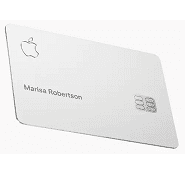
Chances are you already have at least one credit card that has an EMV chip in it. EMV stands for Europay, MasterCard and Visa. The chips look like this:

EMV chips and EMV chip readers will eventually replace magnetic stripes and magnetic stripe readers and the main reason for this is because EMV chips have increased security which makes it much more difficult for fraudsters to replicate.
Each EMV chip contains a tiny microprocessor that encrypts credit card transaction data, it also communicates with EMV chip card readers to confirm that the card is authentic. These are incredibly difficult to replicate, which is why countries that have seen EMV chip adoption have also seen a decrease in the rate of fraud in card present transactions.
Less fraud is good for everybody. Consumers are covered by zero fraud liability guarantees (mean they are not liable for any fraudulent use of their credit cards), but they still need to dispute fraudulent transactions which can be incredibly time consuming. Merchants can be held liable for these fraudulent purchases and dealing with fraudulent purchases is extremely costly to the payment networks.
What Is The October Liability Shift?
You would think that because changing to EMV chip technology is beneficial to everybody that this would be a relatively easy change. Unfortunately this is not the case, a lot of this has to do with the size of the U.S market:
- There were 26.2 billion credit card transactions in 2012
- In 2013, only 1.5 million payment terminals were EMV compatible (14% of the total market)
Because adoption has been slow, Visa, Mastercard, American Express & Discover have decided to institute a liability shift to help speed up the process (you can read Visa’s official statement here). These following changes will come into effect on October 1st, 2015:
the party that is the cause of a chip-on-chip transaction not occurring (i.e., either the issuer or the merchant’s acquirer) will be financially liable for any resulting card-present counterfeit fraud
losses. – Visa
This is really more wordy than it needs to be, they are really just saying that whoever has the lesser technology will be liable for fraud. Let’s have a look at a couple of examples:
- Donald has a Discover it Miles credit card with an EMV chip. The card is stolen and is used at a grocery store that has payment terminals that do not accept EMV chips. In this case the grocery store would be liable for that fraud.
- Julie has a Barclaycard Sallie Mae credit card without an EMV chip. The card is stolen and is used at a grocery store that has a payment terminal that does accept EMV chips. In this case Barclaycard would be liable for that fraud.
In cases where they both have the same technology (e.g EMV & EMV or only magnetic strip and magnetic strip) the fraud will result in the normal rules that Visa & MasterCard have set out.
There are a couple of transactions this liability shift does not affect and that is pay at the pump purchases (this will come into affect October 1st, 2017 for most of the payment networks) and ATM transactions (MasterCard is set make this liability shift October 1st, 2016).
How Will This Affect Consumers?
The most important thing to remember is that your liability isn’t changing at all, you will still have zero fraud liability on your credit cards. The big difference is that more merchants will have EMV compatible card readers and more card issuers will be issuing (or reissuing) credit cards that come with an EMV chip to reduce their own liability.
Unfortunately this does not mean that EMV chip + PIN (which has even less chance of fraud occuring due to the 1:10,000 chance that somebody could guess your PIN) will become standard, but it’s a step in the right direction and should make travelling internationally much easier.
Additional Reading/Resources
- EMV Key Dates (Verifone) [PDF Warning]
- EMV Wikipedia Article
- October 2015: The End of the Swipe-and-Sign Credit Card by Wall Street Journal
- Visa’s EMV Liability Announcement [PDF Warning]