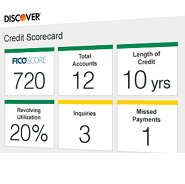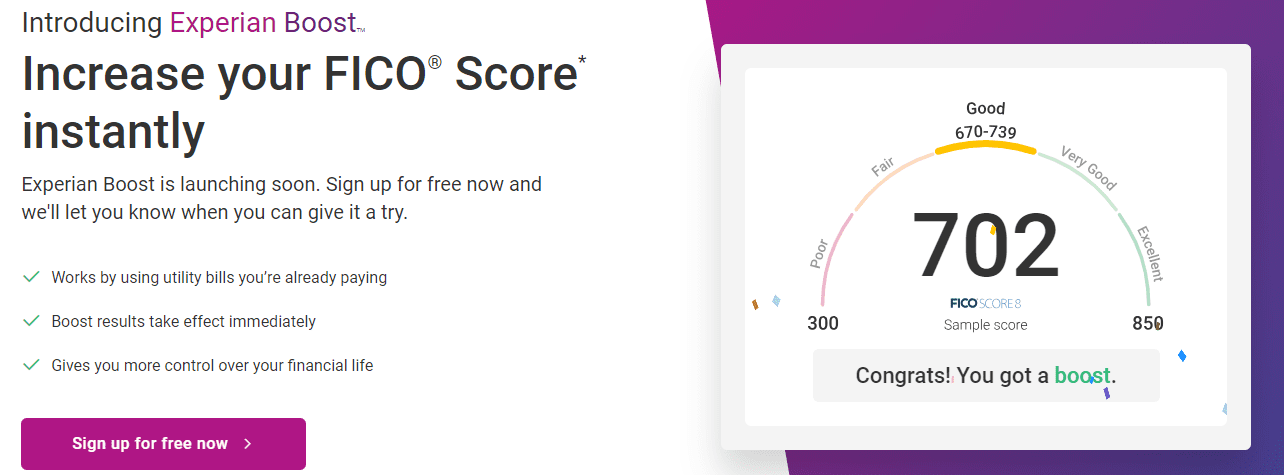

FICO are set to launch a new credit scoring model, unlike the FICO 9 model they recently released this new score will be based on a consumers payment history with cable, cellphone, electric and gas bills. It will also take into account how often they change addresses and other factors. This is a depature from their current scoring models (FICO score) which rely on data found in a consumers credit report from either Equifax, Experian or TransUnion.
This new score will rely on a separate database maintained by Equifax which contains information regarding the previously mentioned bills. It will also use data from the LexisNexis database, this database contains information such as how often somebody changes address (with more address changes signalling less stability).
The new score is yet to be given an official name, but could be released as early as next week to lenders. FICO has been testing this score with 10 unnamed credit card issuers since November of last year and and currently score 15 million of the 53 million previously unscorable consumers.
Final Thoughts
One of the problems with the credit industry is that there is sometimes a chicken and egg problem. You cannot get credit without credit history and you can’t get credit history without somebody extending you credit in the first place. The traditional way this has been solved is with starter credit cards (such as the Chase Slate) or secured credit cards (such as the Discover it Secured). This new scoring model should help to solve this problem in part.
The success of this new scoring model will depend on a few different factors:
- How many financial institutions decide to use this scoring model as part of their lending decisions. Financial institutions are very slow to change when it comes to evaluating credit risk, small changes in the amount of consumers becoming delinquent on their loans carries a large liability. The fact that FICO has had 10 credit card issuers testing this new score is a good sign.
- Delinquency rates. The FICO score and delinquency rates have a direct correlation, as somebodies FICO score increases the chances they will become delinquent reduces. If this new score isn’t a good indicator of how likely somebody is to become delinquent then financial institutions will very quickly stop using it. Obviously FICO has had positive results so far, otherwise it wouldn’t have gone past the testing stage. The real test is when there is a big downturn in the economy and delinquency rates start to increase (at the moment these rates are still on a downward trend).
As they say the data never lies, if looking at bill payment records and change of addresses is useful in calculating a consumers credit risk then it makes sense to include that information in a credit scoring model. Hopefully this new score will allow more consumers access to credit and at better rates than they are currently receiving.
What do you think about this new score? Is your bill payment history and address changes an accurate glance at your credit worthiness? Let us know in the comments.